



Tours, packages, and customized itineraries in the Po Delta region.
Select a date and, if applicable, a time, and pay securely with Stripe. You'll receive an immediate confirmation via email.
The voucher is electronic: just show it on your smartphone and enjoy your experience.
And if you need help or have any questions, you can Contact Us
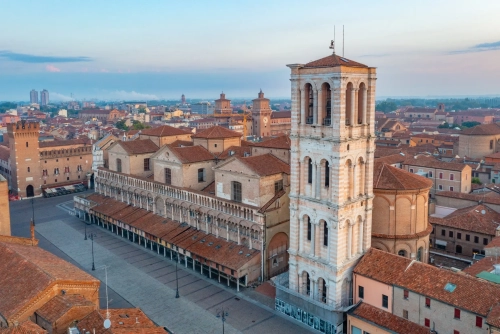
Art, Culture and UNESCO Landscapes in the Heart of Emilia-Romagna
Elegant, harmonious and deeply connected to its surrounding landscape, Ferrara is a captivating city of art and an essential destination for anyone visiting the Po Delta Park. Located in the Emilia-Romagna region, just a short distance from the Adriatic Sea, it enchants visitors with its remarkably preserved historic centre and its distinctive Renaissance atmosphere.
Ferrara’s origins likely date back to the 7th century AD, when it was established as a Byzantine fortress controlling the course of the River Po. During the Middle Ages it developed into an important river trading centre, but it was under the enlightened rule of the House of Este during the Renaissance that the city reached its golden age.
Between the late fifteenth and early sixteenth centuries, Ferrara became a pioneering model of urban planning thanks to Biagio Rossetti’s visionary project known as the Addizione Erculea. This revolutionary expansion introduced broad avenues, harmonious perspectives, green spaces and a balanced integration of architecture and urban functions.
This extraordinary achievement earned Ferrara recognition as the first modern city in Europe. In 1995, its historic centre was inscribed on the UNESCO World Heritage List as an outstanding example of a perfectly preserved Renaissance city. In 1999, the designation was extended to the surrounding territory, recognising the "Delizie Estensi" of the Po Delta as an exceptional cultural landscape shaped by the dialogue between Renaissance culture and the natural environment.

Walking through Ferrara means immersing yourself in a unique atmosphere where past and present coexist in perfect harmony. The winding streets of the medieval city still reveal traces of the ancient course of the River Po, lined with the characteristic tall and narrow “cassero” houses.
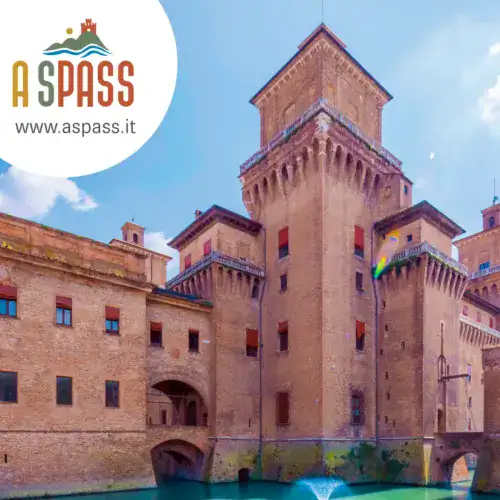
At the heart of the historic centre stand some of the city’s most iconic landmarks:
Within the Renaissance walls, among the best preserved in Europe, visitors can admire architectural masterpieces including:
Ferrara’s connection with its territory is also reflected in the remarkable Este Delights, country residences built for leisure, culture and representation.
Among the most fascinating and still accessible today are:
After the end of Este rule, Ferrara came under the control of the Papal States in 1598. The Papal Legates initiated important land management policies that laid the foundations for the extensive reclamation works that would transform the Po Delta landscape in the centuries to come.
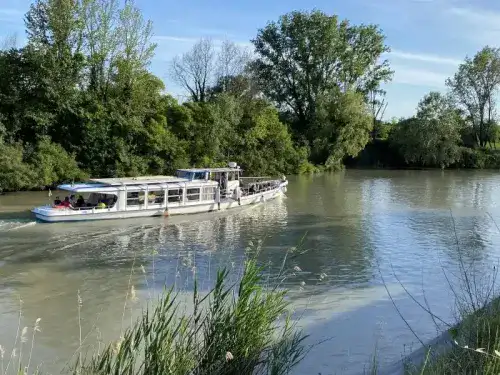
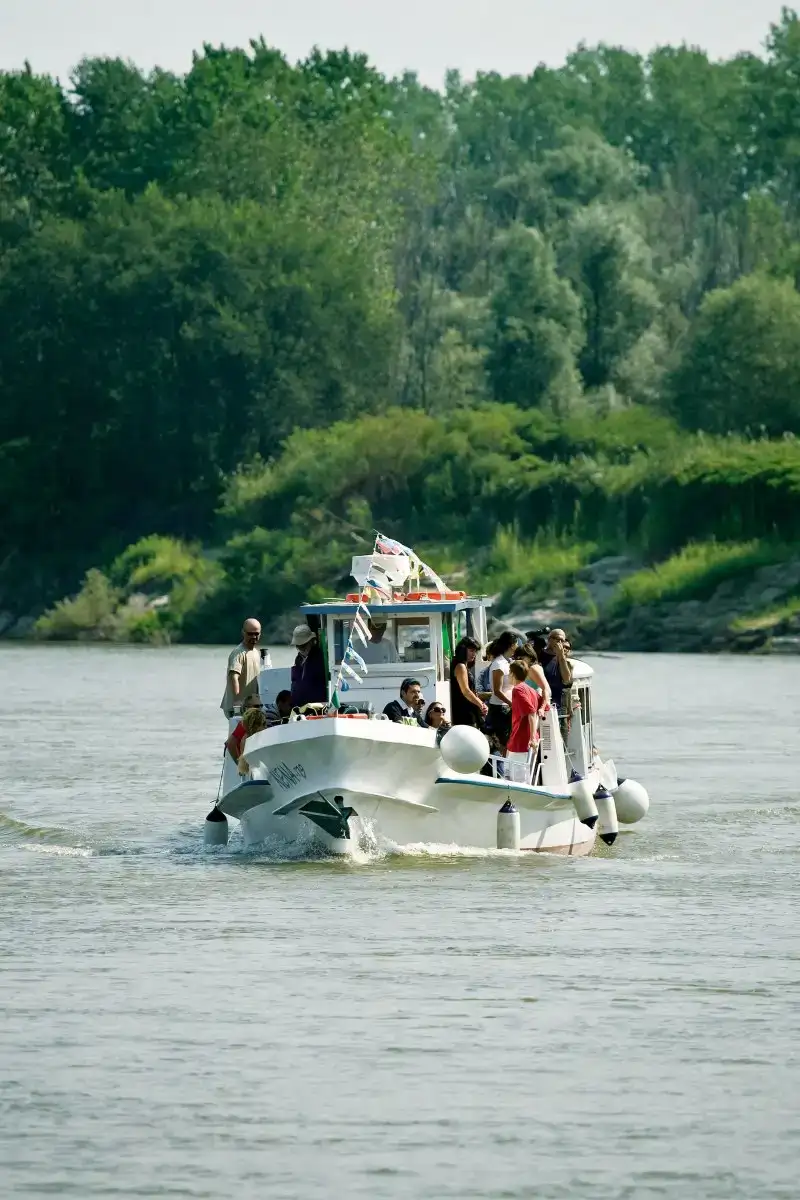
Today, visitors can discover Ferrara and its territory through themed guided tours, cultural experiences, river cruises, food and wine itineraries, and tailor-made programmes designed for both individuals and groups.